Streamlining Aerospace Quarantine System
Modernizing quarantine tracking to eliminate storage risks
Client
Major Aircraft Manufacturer
Service
UI/UX Design
Year
2024

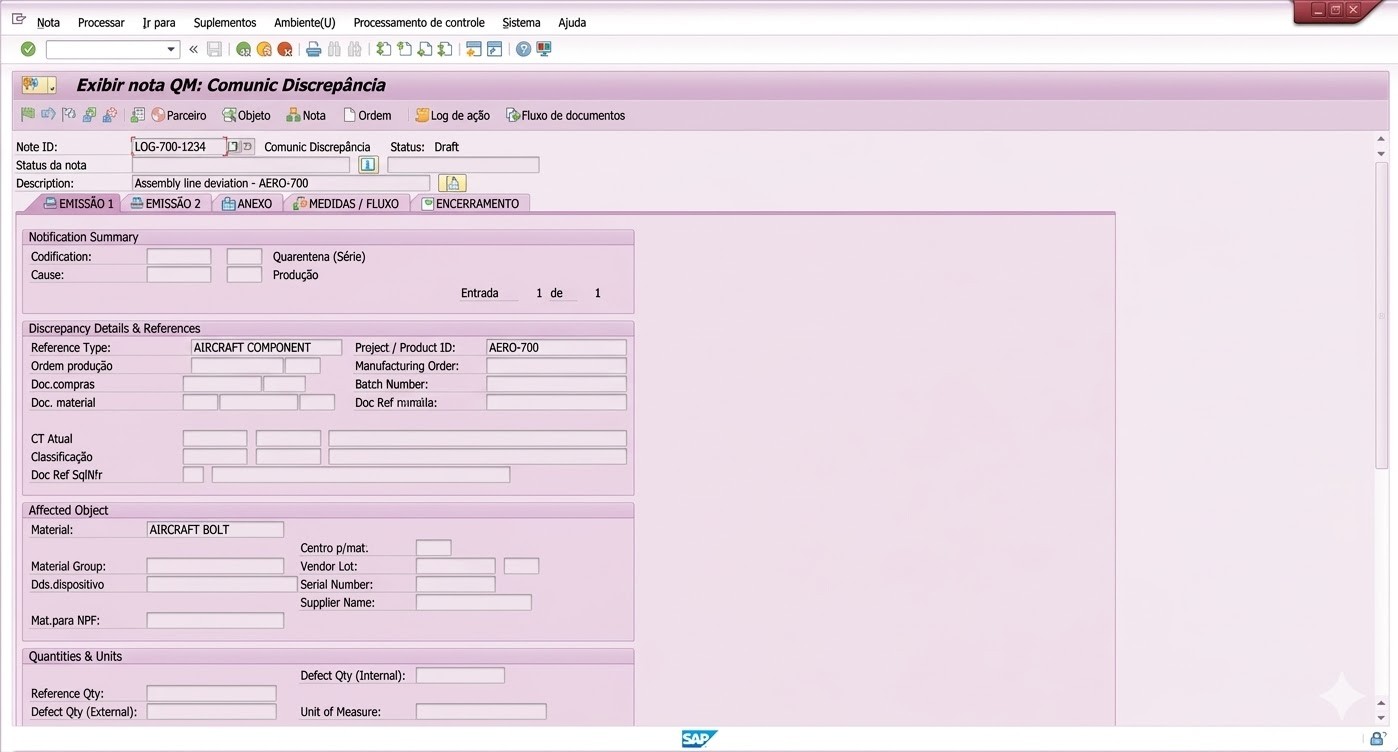
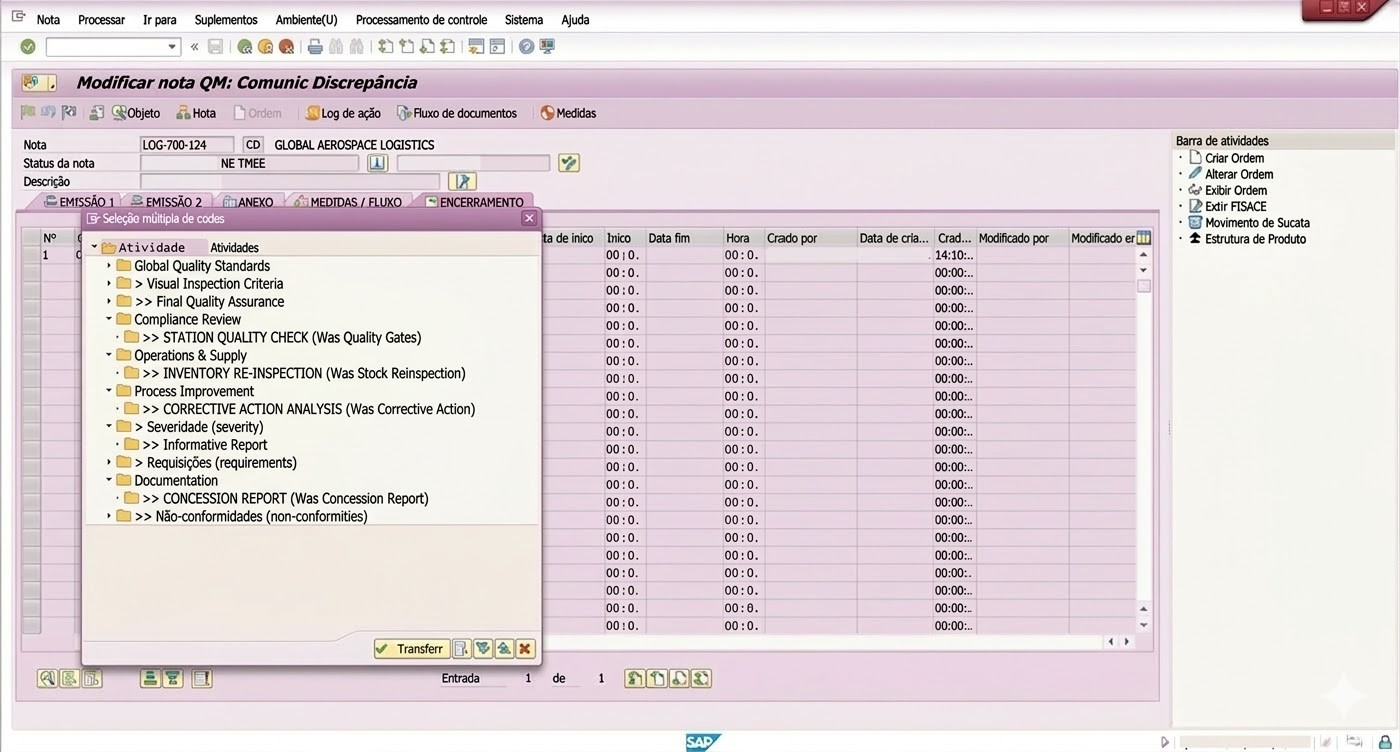
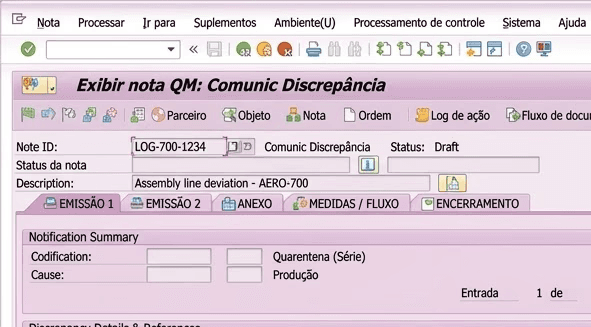
The existing SAP system presented several challenges, including an outdated interface and unintuitive processes for managing quarantined items.
Users faced difficulties in tracking items, and the lack of alerts about deadlines often led to delays and operational risks.
The problem was further compounded by dependencies between processes, which made task completion cumbersome and inefficient. The hypothesis was that by restructuring the information architecture and implementing new functionalities, the system's efficiency could be significantly improved, leading to better user satisfaction and operational outcomes.
Research and Discovery
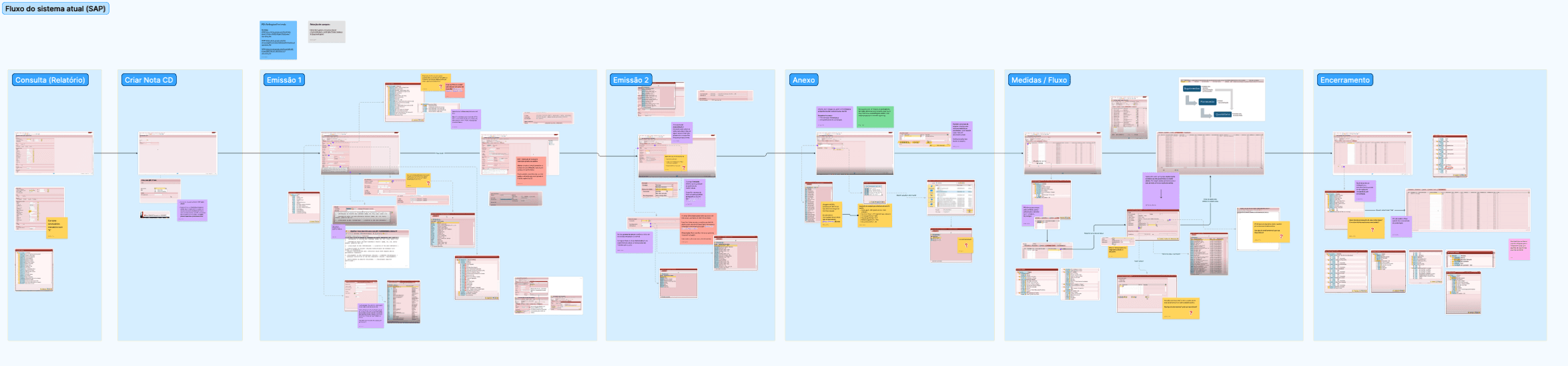
To address the challenges, extensive research and discovery activities were conducted. This included interviews with 10 end users and 3 stakeholders to understand their pain points and requirements. Exploratory interviews were also performed on the old SAP-hosted system to map out key friction points and identify areas for improvement.
The research revealed that dependencies between processes were a major obstacle, and the lack of visual alerts compromised the management of deadlines. Personas were developed to represent the primary users, including inventory managers who needed precise control over quarantined items and logistics analysts who required clear alerts to avoid delays and bottlenecks.
Ideation and planning
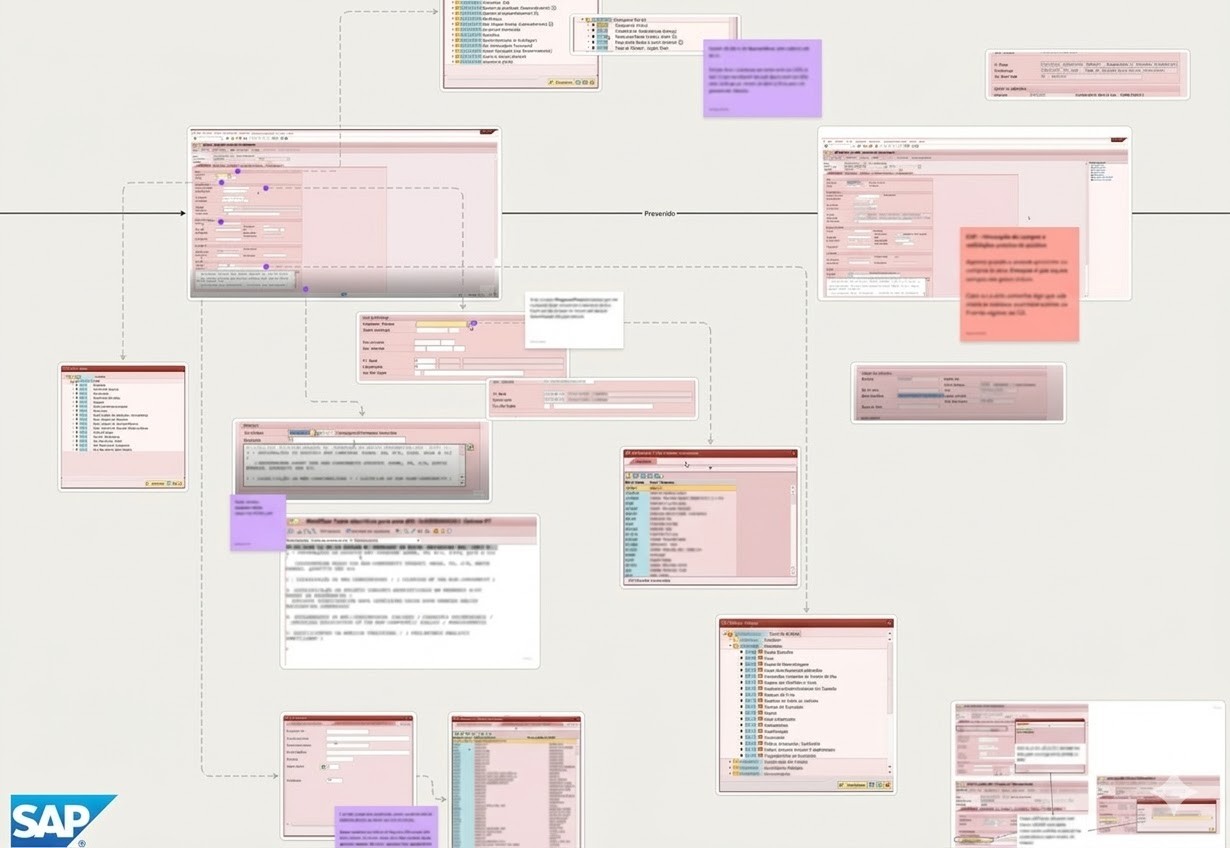
The ideation phase involved creating user journeys to identify the best structure for data and content. These journeys highlighted the need for a more intuitive flow and better organization of information. During brainstorming sessions, the team explored solutions to simplify processes and incorporate visual alerts for items exceeding their deadlines.
Design and Prototyping
The design phase focused on creating a user-friendly and visually consistent interface while addressing the limitations of the old SAP system.
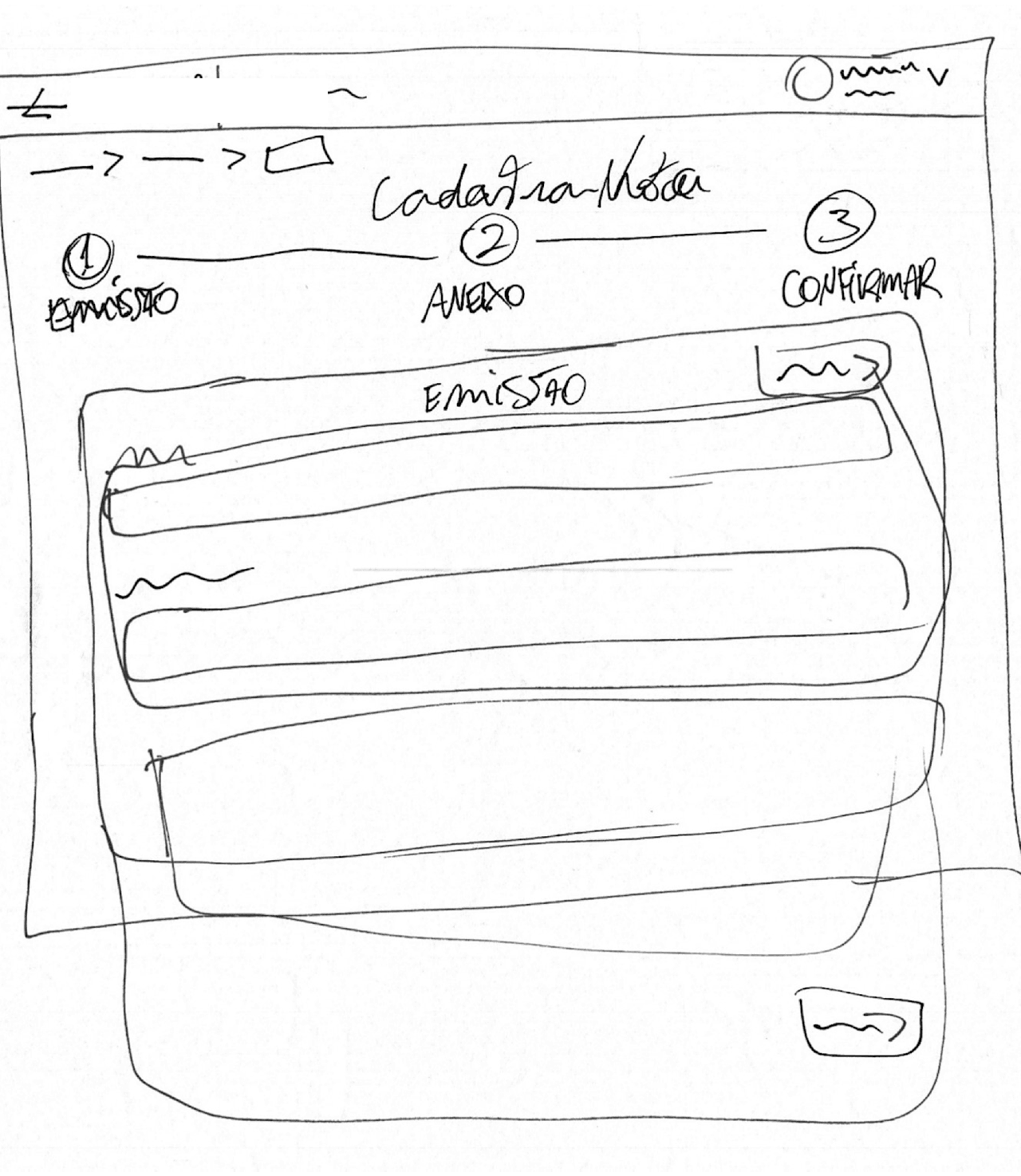
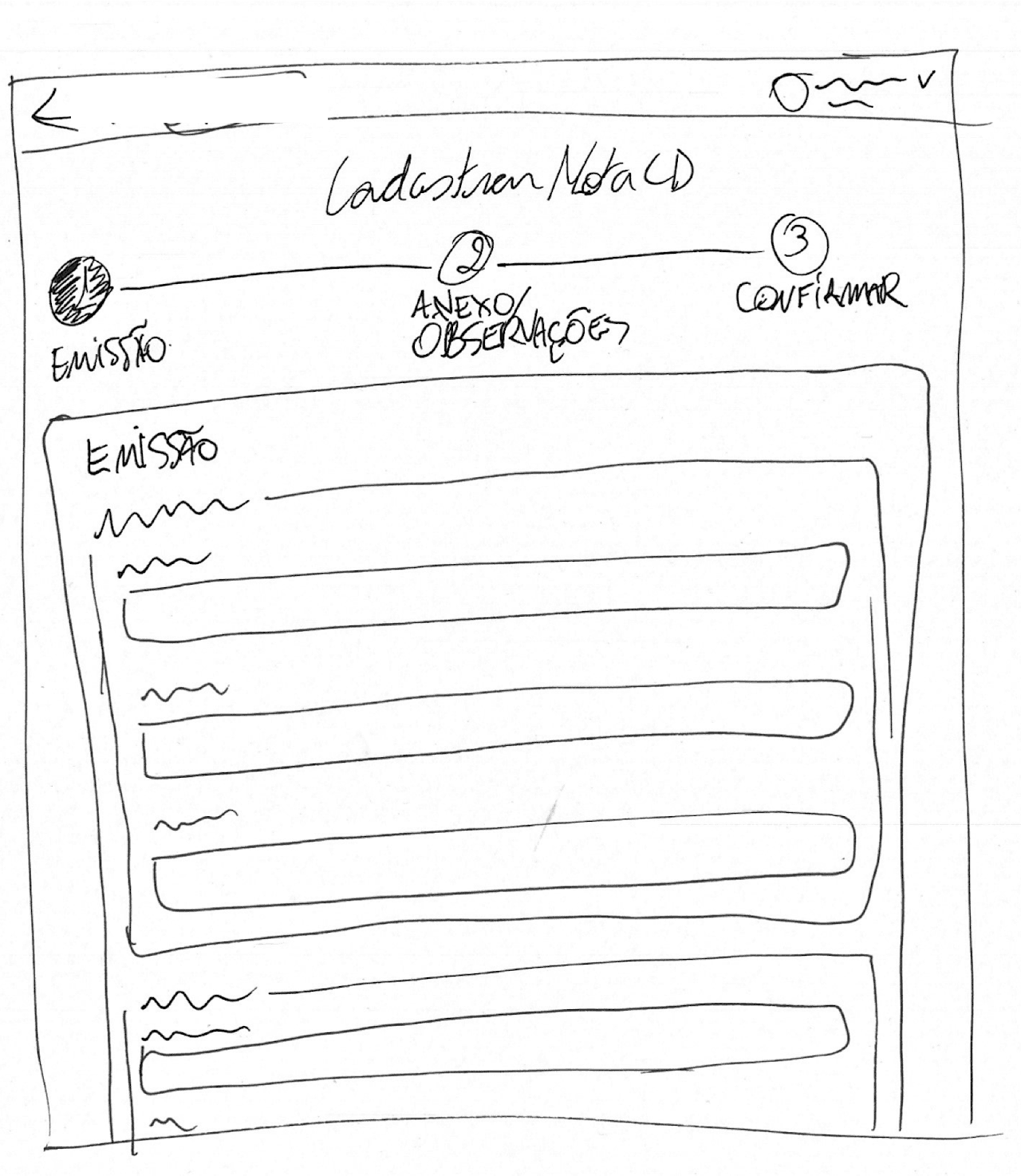
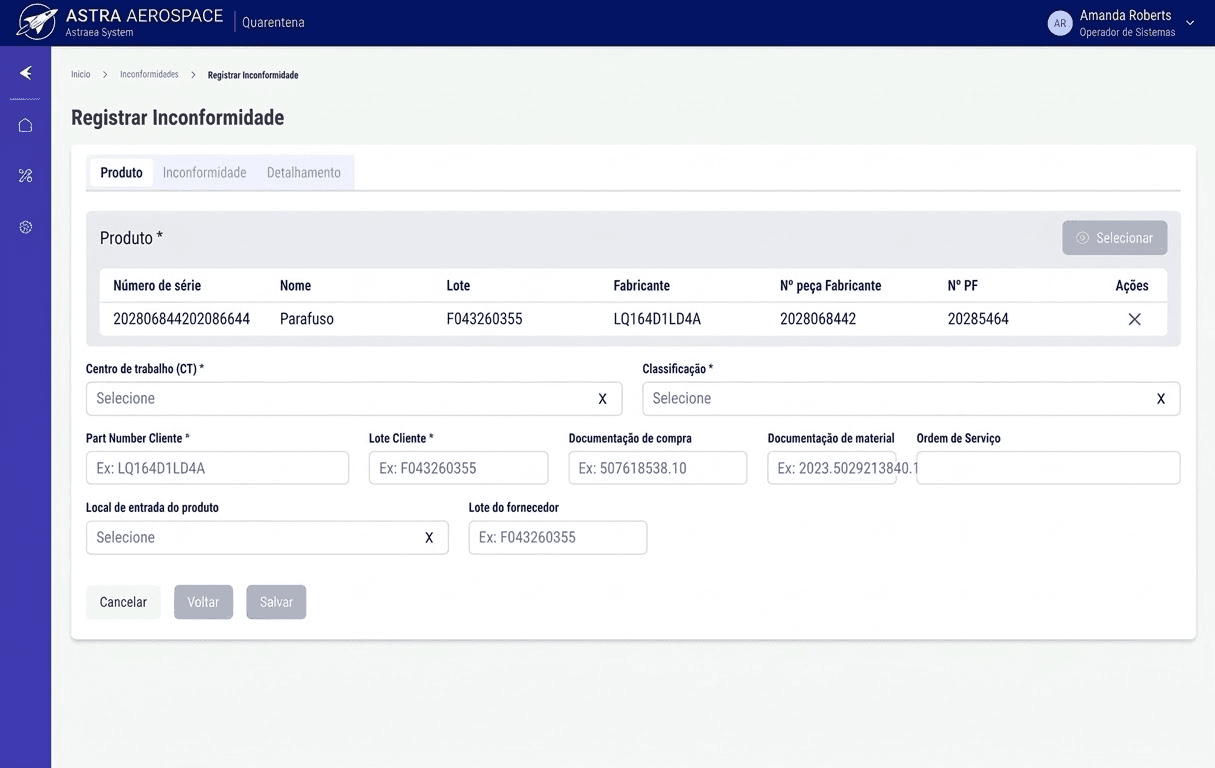
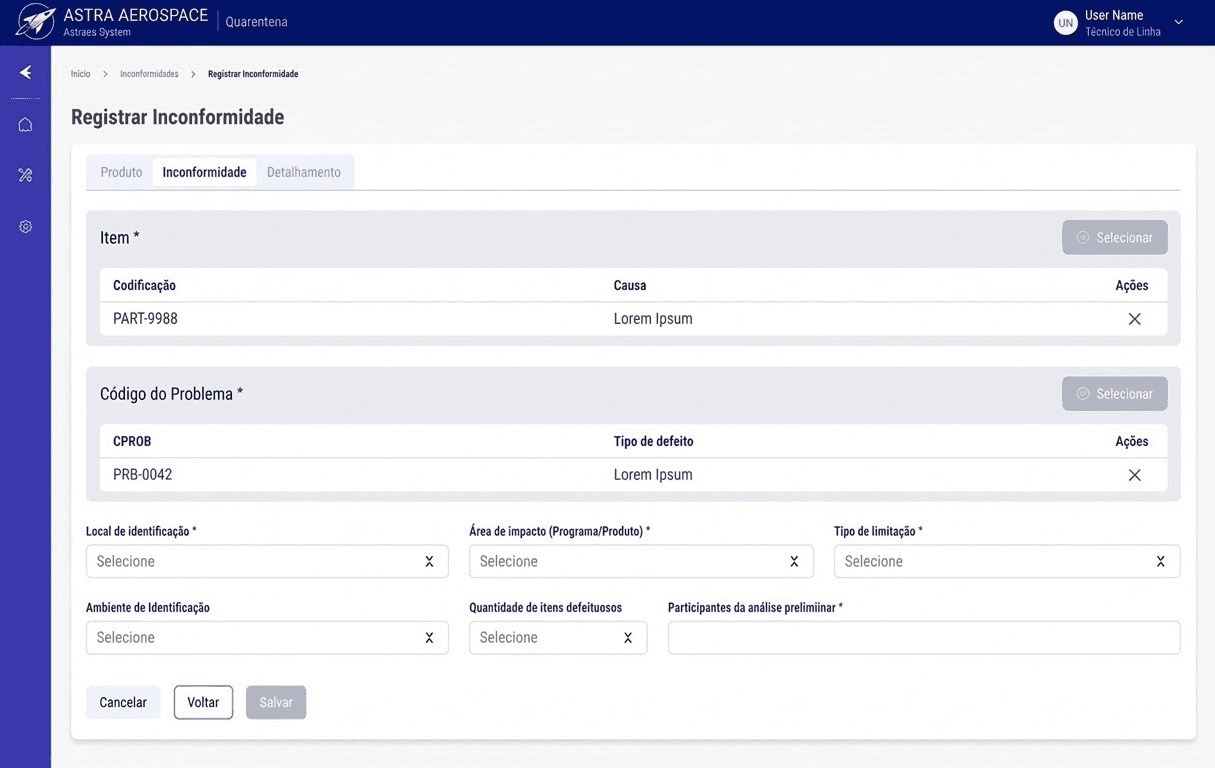
One of the key challenges was transforming the existing tab-based navigation into a step-by-step process that clearly demonstrated to users which stage of the workflow they were in.
This approach not only improved clarity but also guided users through the system in a more intuitive way, reducing confusion and errors.
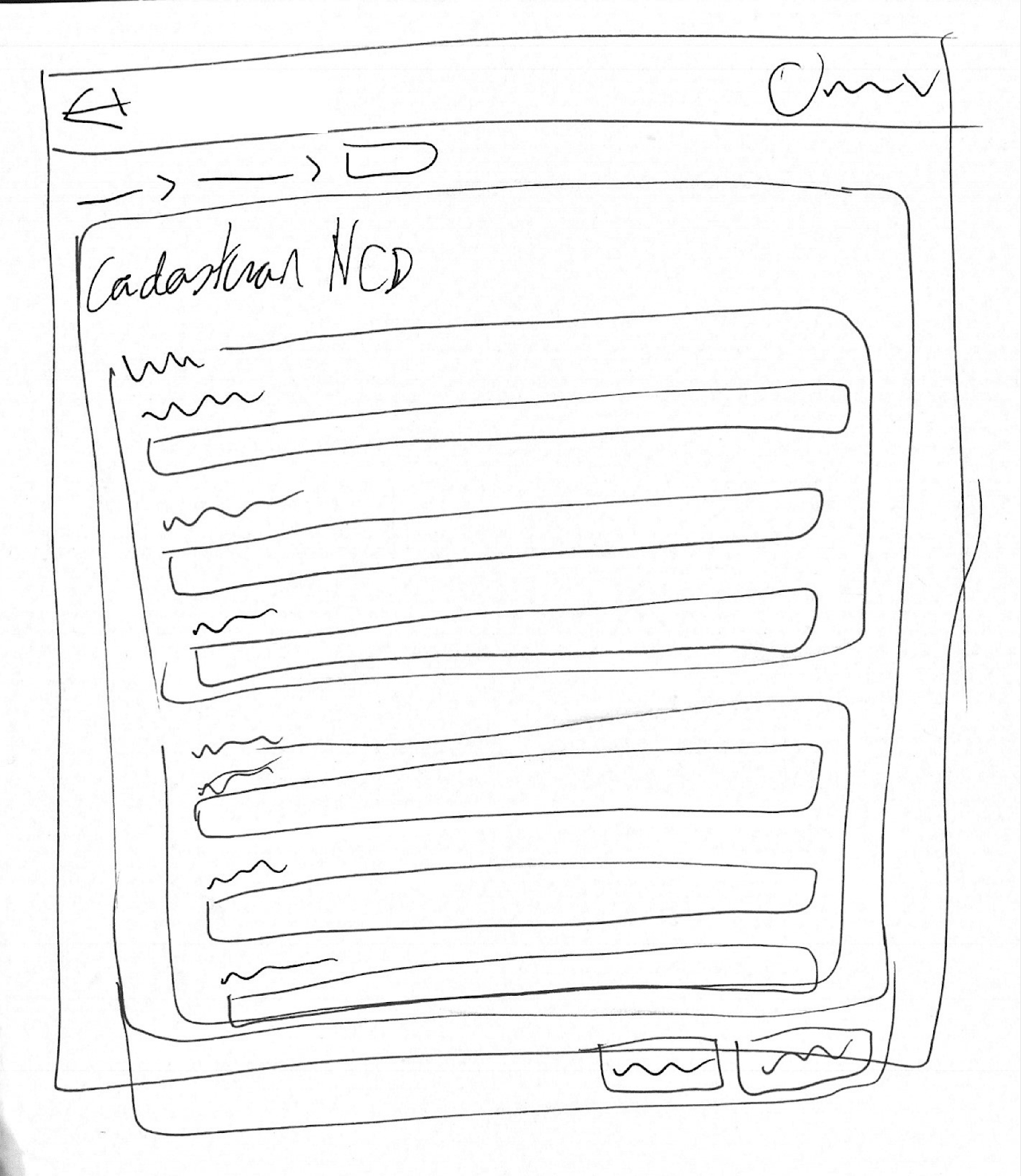
To further enhance usability, the fields and groups of information were reorganized to create a more logical and efficient structure. Related data was grouped together, making it easier for users to find and input information. This restructuring also reduced cognitive load and improved the overall flow of the interface.
Testing and iteration
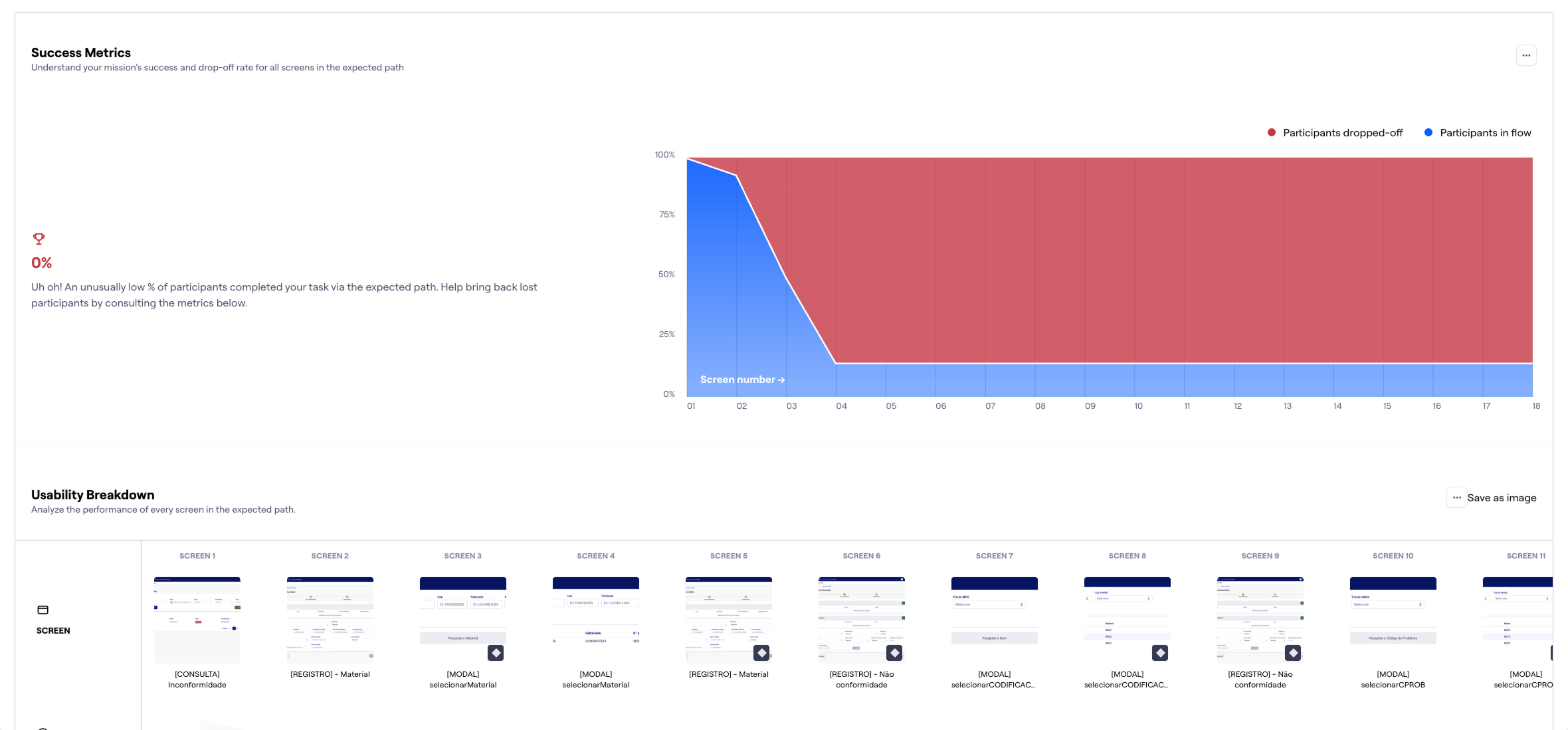
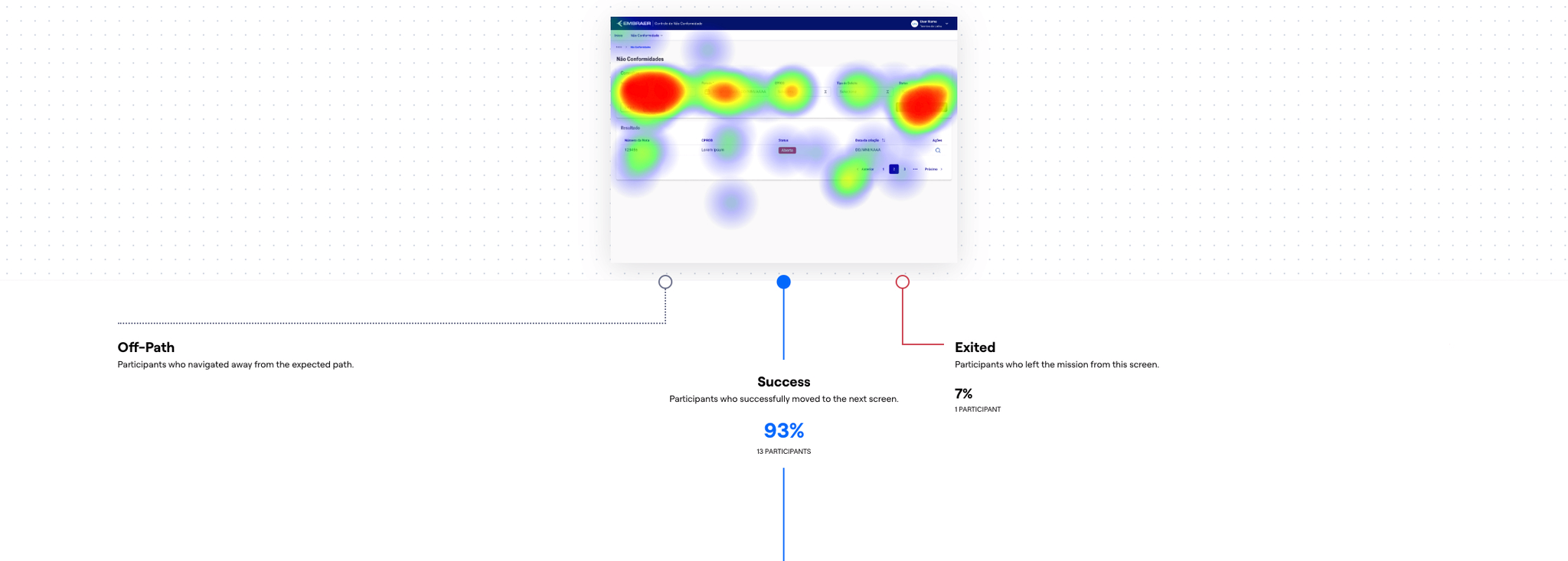
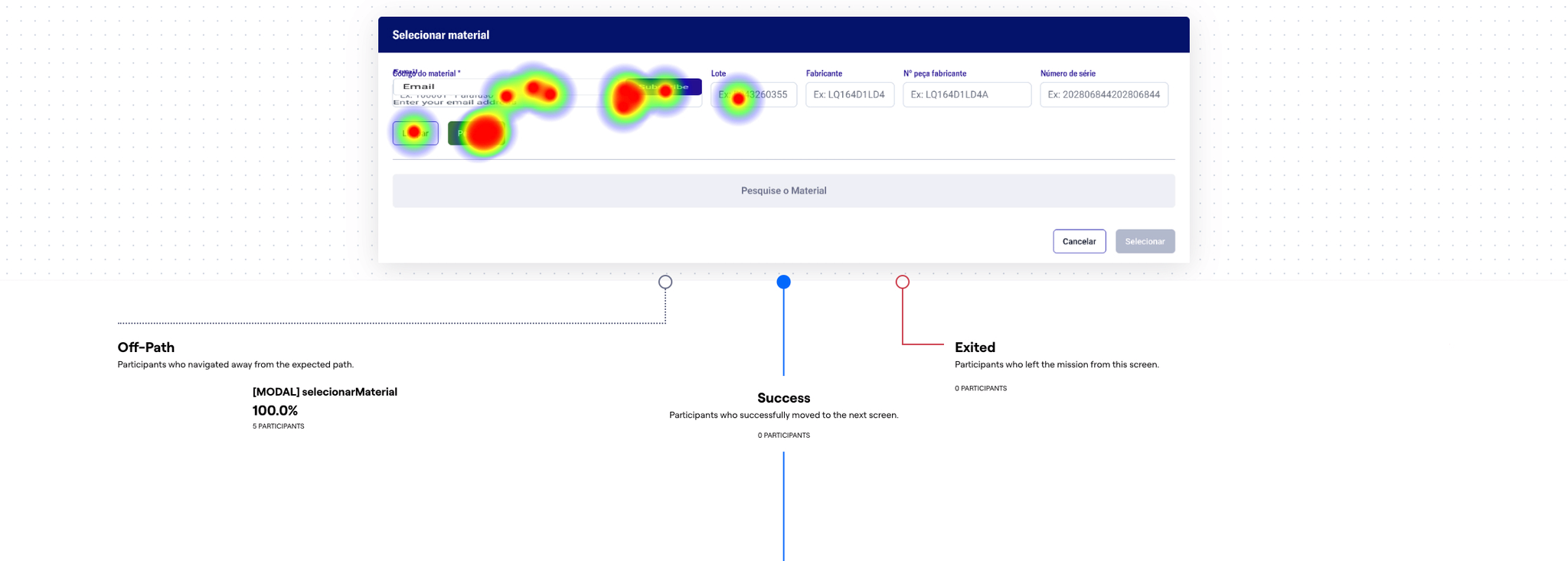
Usability testing was a critical component of the project, conducted on the Maze platform with 15 key users.
These tests provided valuable insights into how users interacted with the system and identified areas for improvement. Feedback from the tests highlighted the need for adjustments in navigation and the hierarchy of information. Iterations were made to address these issues, resulting in a more intuitive and efficient system.
Result
The final solution was a redesigned system with a modern interface and optimized functionalities that provided users with precise control over quarantined items, improved tracking capabilities, and visual alerts for items exceeding their deadlines.
Fully integrated with SAP, the platform receives real-time user inputs for managing the status of parts and batches while utilizing AI to suggest the best workflows and optimize decision-making.
To ensure operational efficiency, a robust SLA model was implemented with hierarchical escalation for unresponsive actions, ultimately resulting in a 60% improvement in correct routing and eliminating the previous time loss and documentation confusion caused by manual errors.


See more of my work



Streamlining Aerospace Quarantine System
Modernizing quarantine tracking to eliminate storage risks
Client
Major Aircraft Manufacturer
Service
UI/UX Design
Year
2024
The existing SAP system presented several challenges, including an outdated interface and unintuitive processes for managing quarantined items.
Users faced difficulties in tracking items, and the lack of alerts about deadlines often led to delays and operational risks.
The problem was further compounded by dependencies between processes, which made task completion cumbersome and inefficient. The hypothesis was that by restructuring the information architecture and implementing new functionalities, the system's efficiency could be significantly improved, leading to better user satisfaction and operational outcomes.
Research and Discovery
To address the challenges, extensive research and discovery activities were conducted. This included interviews with 10 end users and 3 stakeholders to understand their pain points and requirements. Exploratory interviews were also performed on the old SAP-hosted system to map out key friction points and identify areas for improvement.
The research revealed that dependencies between processes were a major obstacle, and the lack of visual alerts compromised the management of deadlines. Personas were developed to represent the primary users, including inventory managers who needed precise control over quarantined items and logistics analysts who required clear alerts to avoid delays and bottlenecks.
Ideation and planning
The ideation phase involved creating user journeys to identify the best structure for data and content. These journeys highlighted the need for a more intuitive flow and better organization of information. During brainstorming sessions, the team explored solutions to simplify processes and incorporate visual alerts for items exceeding their deadlines.
Design and Prototyping
The design phase focused on creating a user-friendly and visually consistent interface while addressing the limitations of the old SAP system.
One of the key challenges was transforming the existing tab-based navigation into a step-by-step process that clearly demonstrated to users which stage of the workflow they were in.
This approach not only improved clarity but also guided users through the system in a more intuitive way, reducing confusion and errors.
To further enhance usability, the fields and groups of information were reorganized to create a more logical and efficient structure. Related data was grouped together, making it easier for users to find and input information. This restructuring also reduced cognitive load and improved the overall flow of the interface.
Testing and iteration
Usability testing was a critical component of the project, conducted on the Maze platform with 15 key users.
These tests provided valuable insights into how users interacted with the system and identified areas for improvement. Feedback from the tests highlighted the need for adjustments in navigation and the hierarchy of information. Iterations were made to address these issues, resulting in a more intuitive and efficient system.
Result
The final solution was a redesigned system with a modern interface and optimized functionalities that provided users with precise control over quarantined items, improved tracking capabilities, and visual alerts for items exceeding their deadlines.
Fully integrated with SAP, the platform receives real-time user inputs for managing the status of parts and batches while utilizing AI to suggest the best workflows and optimize decision-making.
To ensure operational efficiency, a robust SLA model was implemented with hierarchical escalation for unresponsive actions, ultimately resulting in a 60% improvement in correct routing and eliminating the previous time loss and documentation confusion caused by manual errors.